
Workplace Misconduct: The Underestimated Systemic Implications for Investors
Head of Sustainable Investing for Australia at Fidelity International.
Jun 11, 2024
Compendium
Head of Sustainable Investing for Australia at Fidelity International.
Jun 11, 2024
Compendium
Company culture has been in the spotlight for a number of years, with growing recognition of the importance of culture within an organisation, and its contribution to an organisation’s risk profile. It is now widely recognised that weaknesses in culture, and the governance and accountability relating to culture, translate directly into financial risk.
Traditionally, investor engagement on these issues has been focused on human resources-related strategies that can be leveraged to improve company culture. These strategies include appropriate diversity and inclusion practices, creating a ‘speak up’ culture, survivor-centric grievance mechanisms, among others. We fundamentally support and encourage these initiatives and believe they are a critical way to improve workplace culture.
In parallel, this article seeks to add another lens to understanding culture and focuses on the risk elements associated with a poor company culture.
‘Culture-based financial risks’ refer to the probability of negative impacts that harmful behaviours1 in the workplace can have on a company’s productivity, reputation, and social license. They can also lead to externalities in the economy and society.
In this article, we seek to cover three key objectives:
We have developed a framework to help investors understand these risks and the potential financial implications. While putting a value on the total cost of culture-based financial risks is challenging, we outline examples below of some of the financial consequences when these risks are mismanaged.
While this framework focuses on the financial implications of culture-based financial risks, it should be considered within a broader human rights context. Fundamentally, as investors we have responsibilities to respect human rights in our own operations and supply chains, as well as in our direct and indirect investments. This framework is meant to help guide investors to conduct greater due diligence into human rights breaches in the form of harmful workplace incidents and play a role in remediation.
While there is broad recognition of the importance of culture in assessing a company’s future performance, it is still difficult for investors to:
Difficulty with assessing company culture from the outside
Currently, there is little information in the public domain that gives investors insight into how boards and management assess key measures of corporate culture. A key challenge is the intangible nature of culture and the subjectivity that surrounds it.
A key challenge is the intangible nature of culture and the subjectivity that surrounds it.
Reporting standards and disclosure tools do not provide an effective way for investors to track a company’s exposure to culture-based financial risks and do not allow investors to assess how effectively companies are mitigating these risks. Most metrics provided are backward-looking, show an aggregate view of the health of the company’s workforce and are input oriented.
Difficulty with assessing a portfolio’s culture-based financial risk exposure
Historically, the majority of culture-based financial risk analysis has been focused on company level implications. Investors have viewed the risks in isolation and only assessed the impact of these risks to the company’s productivity and financial performance. However, when taking a universal investor lens to culture-based financial risks we realise that harmful behaviours in the workplace can have much wider reaching implications than initially thought.
Company specific issues can quickly lead to sector-wide and portfolio wide implications.
For the purposes of this article, we define ‘universal investors’ as diversified asset owners such as pension funds, university endowments, and sovereign wealth funds that own a representative share of the entire economy and therefore have an interest in the long-term health of the financial system. Universal investors cannot diversify away from systemic risks such as climate change and culture-based financial risks and can only mitigate whole-system threats by effecting change in the real economy.2
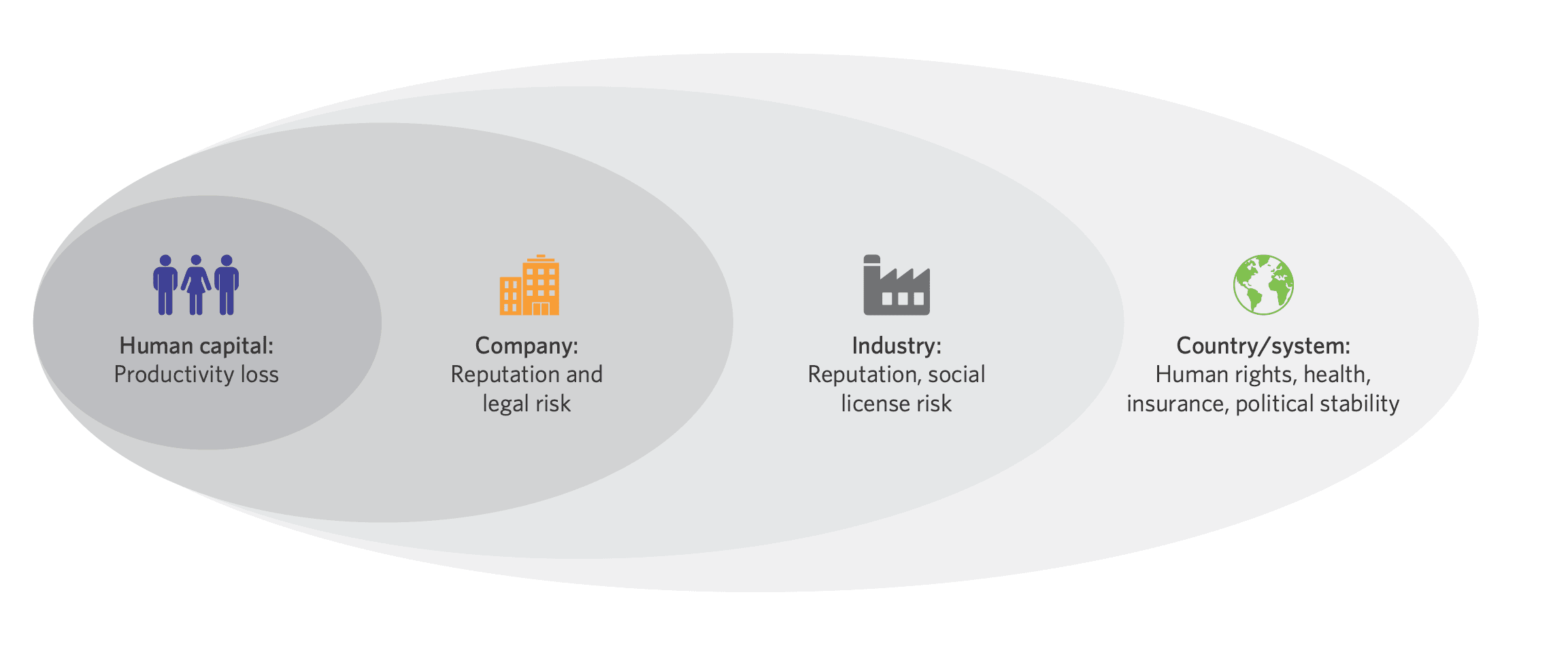
Figure 1. Layers of culture-based financial risks that impact investors
We posit in this article that company specific issues can quickly lead to sector-wide and portfolio-wide implications that can create vicious cycles and cumulative risk for investors. We believe that the extent of these impacts and the interrelated nature of these risks are currently not fully considered or quantified by investors.
For investors to holistically assess culture-based financial risks, we have developed a framework (see Figure 2) that captures the three categories of risk that can lead to the most material financial implications. These three types of risks include: operational, societal gap and systems-level.
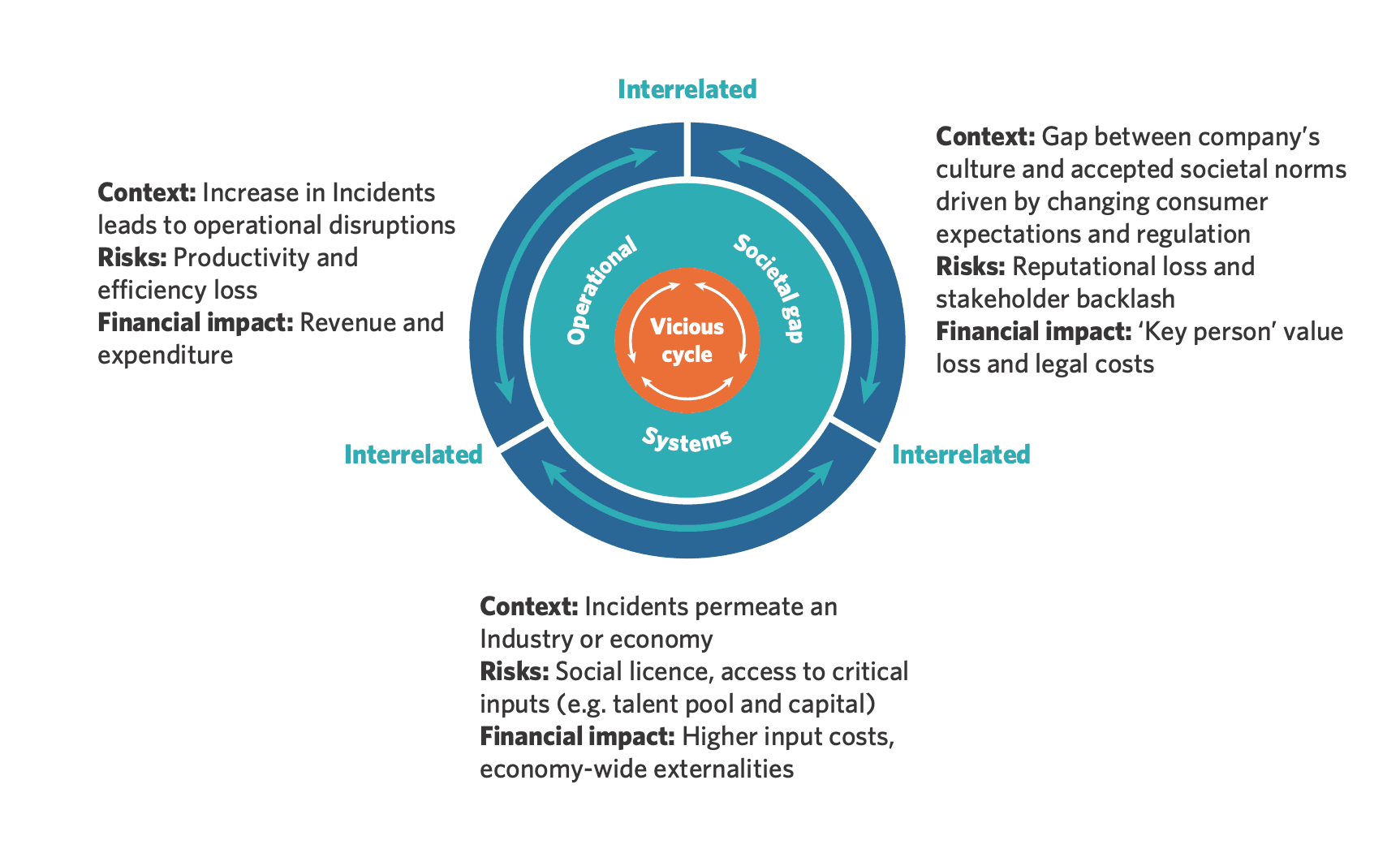
Figure 2. Types of culture-based financial risks and the interactions between them
Investors familiar with frameworks used to assess the financial risks of climate change, such as the Taskforce for Climate-related Financial Disclosure (TCFD), will notice that we have borrowed elements of these disclosures when thinking about culture-based financial risks.
As highlighted in Figure 2, the majority of current financial analysis conducted on culture-based issues largely sits in the ‘operational’ risk category which describes unilateral risk at the company level. With this framework, we can now assess the broader risk categories of ‘societal gap’ risk as well as ‘systems-level’ risk to develop a fuller picture of the potential risk exposure for investors at the portfolio level. In addition, investors can also better understand the connection between these interrelated risks and the potential contagion effect.
For example, company-level incidences (operational) can lead to negative perceptions of a sector (societal gap), which in turn impact the sector’s social license to operate (systems-level). They can then lead to long-term and material impacts on economic productivity. The interconnected and additive nature of these risks can then form a vicious cycle for communities and economies.
From an operational perspective, incidents of harmful behaviour in the workplace, such as sexual harassment or bullying, impact a firm’s operating productivity and efficiency. These incidents can absorb an organisation’s time and resources and lead to higher levels of absenteeism and lower presenteeism. These conditions also lead to higher turnover and disengagement across the workforce. All of which directly impact productivity.
As Deloitte highlighted in their Economic Costs of Sexual Harassment in the Workplace report, the estimated annual cost of sexual harassment to workplaces in Australia is A$2.6 billion in lost productivity.3 Staff turnover costs, absenteeism, and manager time largely drive these losses.
These incidents can also lead to higher workers’ compensation premiums. Companies may also need to provision for additional capital expenditure to improve their workspaces to enable a safe working environment and speak up culture (e.g. surveillance and security and training programs).
While the financial impacts of culture-based operational risks may be hard to fully quantify, investors are able to use proxies such as absenteeism and turnover rates to approximate the direct impact to the company. A good example of this type of financial impact analysis is recent research published in the Journal of Business Ethics investigating the extent to which sexual harassment impacts a company’s value.
The authors of “How Much Does Workplace Sexual Harassment Hurt Firm Value?” highlight that the sample of companies with unusually high sexual harassment (SH) scores exhibit significant reductions in future stock performance and profitability. For example, firms with a top 2% SH score earn a value-weighted risk-adjusted stock return of -17% in the one-year period after the high-SH classification. Furthermore, these firms experience a decline in operating profitability and an increase in labour costs during a five-year period around the high-SH classification.
The evidence in the report suggests culture-based financial risks, such as sexual harassment, can cause greater damages to firm value than previously documented.4
Societal gap risk describes the risk that emerges following evolving societal expectations, shifting consumer preferences and regulatory and legal developments. Social movements, such as the #MeToo, #TimesUp and #BlackLivesMatter movements, which started in the US but spread around the world, have exposed companies to this risk. These movements highlight a change in social values and norms, which make previous behaviours, actions, and internal company cultural norms no longer acceptable.
Stakeholders are now holding companies accountable for their social license to operate, demanding greater alignment between management and boards and broader society. Furthermore, these social movements have in turn become part of the political agenda in many countries and have influenced legislative change, such as the Respect@ Work Bill in Australia, the Worker Protection Bill in the UK, and the Ending Forced Arbitration of Sexual Assault and Sexual Harassment and Speak Out Acts in the US.
As a society becomes more progressive, the societal gap risk increases for companies whose cultures are lagging, thereby creating the potential for ‘stranded asset’ risk. We characterise stranded asset risk in this context as the experienced individual who was originally seen as valuable to the company and a potential contender for a senior leadership position, but as societal norms changed and historical incidents came to light, management decided to unexpectedly or prematurely ‘write-down’ the individual’s value to the company. In this case, the individual’s value could no longer be fully realised, as promoting and retaining the individual would pose too much risk to the company and its reputation. The value and investment put into the individual may be lost or ‘stranded’, which can also result in loss of company value. Later in this article we offer a company case study of this ‘culture-based stranded asset risk’.
Societal gap risks, much like climate transition risks, are somewhat unpredictable and, given the scale of the impacts, they are hard to calculate. For investors, we can use indicators that assess changes in consumer preferences as well as shifting societal norms. Still, there are no consistent methodologies, and it is hard to predict the direction and impact of future social movements.
Cumulative culture-based financial risks across a sector can lead to externalities for an economy
These risks can manifest in many ways, including reputational loss and consumer and employee backlash. Other material financial impacts occur when there is ‘key person risk’ and the individual is either involved in the incident or its mismanagement. These instances can result in the removal of senior company leadership such as the CEO, board members, and senior management.
Recent academic research showcases the financial impact of societal gap risks for companies, with a specific focus on sexual harassment incidences. In the #MeToo: Sexual harassment and company value report, the authors identify that the average effect of a sexual harassment scandal on company value is around a 1.5% abnormal share price decrease over the event day and the following trading day.
The accumulation of company-specific risks can lead to systems-level risks which manifest in two ways: social license to operate and cost to society.
When harmful behaviours are prevalent across several companies in the same sector this can impact a sector’s social license to operate. [See also the 2022 Good Counsel article Value in Culture] The loss in social license can mean that an entire sector will face increased barriers to accessing critical inputs for production. Human capital resource is one such example, but other inputs can also become challenging to obtain such as access to financial capital and regulatory approvals. When culture‑based financial risks become a systems-level risk, the sector or company may receive additional scrutiny from stakeholders, including governments, consumers and civil society. [See also The Academy article Nero-Moments: How Collape of Social Trust leads to State Breakdown]
In addition to social license considerations, cumulative culture-based financial risks across a sector can lead to externalities for an economy. The costs following from harmful behaviours in the workplace are borne not only by individuals and companies but also by governments and society. A recent report by Deloitte estimates that approximately 30% of the annual cost of sexual harassment in workplaces in Australia is borne by the government and society.5
The externalised costs of culture-based financial risks may include costs to the legal and justice system, increased healthcare costs as well as higher government spending on welfare payments and reduced tax revenue from affected individuals and companies. These externalities have deeper impacts for investors that are invested across multiple companies and sectors, and the subsequent systemic risks cannot be mitigated through divestment or diversification.
Mining in Australia has long been, and continues to be, a significant contributor to the Australian economy. Despite its importance, in recent years the sector has come under increasing scrutiny around its ‘social license to operate’, particularly its management of culture-based financial risks.
In the 2018 Australian Human Rights Commission’s report, mining was called out as one of the top five industries with the highest prevalence of workplace sexual harassment. The release of Rio Tinto’s “Everyday Respect” report, conducted by Elizabeth Broderick & Co, and the Western Australian Parliament’s “Enough is Enough” report, further highlight that harmful workplace behaviours have long been and continue to be prevalent across the mining industry. [See also the Peer Perspectives article Culture & Consequences: The Case for Change]
We chose the Australian mining sector as a case study for the impacts of culture-based financials risks as there are clear examples across the sector of the manifestation of the three levels of risk.
Operational risks in the sector
According to the Australian Productivity Commission, when comparing the mining sector to other industries such as manufacturing and business services, labour productivity has remained largely flat in recent years.6 While the weakness in productivity can be attributed to lower investment in the sector and challenges with securing talent, we posit that culture-based issues may have also played a role in the improvement of operational productivity. In the last few years, the sector has seen higher absenteeism levels and turnover rates driven by several sector-specific issues, which may have been contributed to by culture-based issues.
In addition to lower productivity levels, miners have also had to allocate additional capital towards improving their facilities and ensuring safe working conditions. For example, after defining sexual assault and harassment as a safety risk, BHP allocated A$300 million in FY22 to implementing security upgrades across their sites. These improvements included guards, CCTV, and lighting to reduce the incidents of misconduct and ensure the safety of their female workforce.
Societal gap risk in the sector
Public perception of Australian mining is catching up with the sector, highlighting the disconnection between company cultures and the changes in societal norms and expectations. An example of this dislocation was when Newcrest Mining’s CEO Sandeep Biswas came forward in February 2022 and conceded that his leadership style had been too ‘autocratic’ in his early tenure as CEO and needed to change to suit modern standards.7
He vowed to make Newcrest a more inclusive, respectful and ‘psychologically safe’ workplace. However, less than twelve months after the initial comments, Mr Biswas made a sudden departure which led to increased turnover across Newcrest’s senior leadership team. While this incident did not have a material impact on the company’s share price, the implications are likely to be seen in operational performance and reputational impacts, off the back of societal gap risk and ‘key person’ value loss.
Systems level risk in the sector
Systems level risk has potential implications for issues such as labour shortages and talent retention, as adverse coverage could impact the attractiveness of the sector as a career choice. While we do see positive steps being taken, it’s important that the sector keeps moving forward collectively. Companies need to focus on building a purposeful brand that aligns with today’s societal values in order to attract and nurture talent for the future.
To assess portfolio-level risk exposure to culture-based financial risks, we believe there are three leading indicators for these risks, namely: country, industry, and workplace conditions.
On country level risk, the social and regulatory landscape in a particular jurisdiction increases the potential for societal gap risks to occur in an organisation. Example jurisdictions would include Europe, United Kingdom, Ireland, United States and Australia. Recent research by the Criterion Institute showcases the high correlation of culture-based financial risks, particularly gender-based violence data, with political risk analysis. Their research provides evidence that rates of violence against women are a better indicator of state stability than many traditionally used measures, such as wealth and the strength of institutions.8 As a result, for universal investors, understanding social movements, consumer preferences and gender inequalities are likely to be critical tools to assessing country level risk.
At the industry level, certain sectors are associated with higher prevalence rates of culture-based issues, including workplaces that are hierarchical, male-dominated, client-facing and have ‘high-value’ or ‘indispensable’ workers.
High-risk industries include mining, construction, media, technology, financials, retail, healthcare, and hospitality.
Finally, certain workplace structures or conditions lead to a higher risk profile. For example, workplaces with a higher contracted workforce, lack of diversity, that operate in isolated and remote areas or allow higher levels of alcohol consumption activities tend to have a higher prevalence of culture-based issues.
As a result, investors can use these three indicators to assess the culture-based financial risk across their portfolios, highlighting potential areas of concentrated risk, and begin to quantify the financial impacts of the cumulative risks. In addition to risk assessment, investors can use engagement and public policy advocacy to encourage appropriate disclosure and action from companies that go beyond policies and self-assessments.
Here we share our key recommendations on the asks and expectations of companies, which include appropriate governance mechanisms, senior oversight, as well as proper incentive structures.
This article has largely focused on the challenges investors face when assessing culture-based financial risk. Nevertheless, we also wanted to highlight the current challenges that companies face when seeking to manage these risks. While there are a range of factors, we believe the fundamental challenge companies face is the inappropriate framing of culture-based financial risks within the organisation. Through our research, we have identified three key elements that impact the consideration of these risks:
Currently, culture-based financial risk incidents are not generally treated with the same level of priority as other business risks, such as physical safety. While workplace safety is often a key constituent of a company’s enterprise risk management framework, most companies do a poor job of capturing psychological safety and culture-based risks in these mechanisms. We believe this omission makes it more challenging for companies to holistically manage these risks.
Culture-based issues have traditionally been managed by human resource departments and are often handled with a legalistic response.
While many companies have adopted organisation-wide tools to track human capital metrics, the extent of their use and sophistication varies materially. We understand from companies that many don’t have the necessary tools or structures to track the data or are only beginning to collect the data. Without having useful and granular organisation-wide human capital information, managing culture-based financial risk can be challenging and uncovering potential risk areas nearly impossible.
Finally, culture-based issues have traditionally been managed by human resource departments and are often handled with a legalistic response. We believe this narrowcasting of the risks constrains a company’s ability to manage them appropriately. Culture-based financial risks impact an entire organisation, and their management needs to be part of a CEO’s, senior leaderships’, and Board’s accountability.
We believe that assessing companies across the three levels of risk — operational, societal gap and systems level — offers a more holistic way to assess a company’s exposure to, and management of, culture-based financial risks.
Again, borrowing framing from the Taskforce on Climate-related Financial Disclosures, we outline in Table 1 our recommendations for these three levels of risk across governance, strategy, risk management and metrics and targets. The recommended actions and disclosures outlined are by no means exhaustive, though we believe them to be fundamental to appropriately manage culture-based financial risks.
Culture-Based Financial Risk | Governance | Strategy | Risk Management | Metrics and targets |
| Disclose the organisation’s governance around culturebased financial risks | Disclose the actual and potential impacts of culture-based financial risks on the organisation’s businesses, strategy, and financial planning where such information is material | Disclose how the organisation identifies, assesses, and manages culture-based financial risks | Disclose the metrics, targets and milestones used to assess and manage relevant culturebased financial risks where such information is material | |
| Operational | Board and management oversight Clear accountability across senior leadership Remove sole responsibility in HR and broaden scope Incentive structure Link culture-based issues and psychosocial safety to remuneration Design Incorporate culture- based considerations into design of all policies and strategies Gap assessments Remain informed of emerging social movements and how they might impact operations and business strategy, including gap assessments between societal expectations and company culture | Curation Foster a ‘speak up’ culture and reduce characteristics of high-risk cultures Training Robust training and awareness programs Partners Ensure outside organisation stakeholder inclusion (e.g. contractor workforce) | Risk register Elevate culturebased financial risk to company Enterprise Risk Management (ERM) framework | Disaggregation Disaggregated human capital data Engagement Employee engagement survey results detail Incorporate ‘speak-up’ content Remediation Complaints, incidents, and disciplinary actions |
| Societal gap | Transformation Cultural transformation strategies and milestones | External audits Third-party culture assessments | Seniority Level of seniority of the incidents Severity Assessment of the level of severity of the incidents Use of NDAs Policy on the use of NDAs and disclosure of historical agreements and settlements | |
| Systems | Collaboration Industry-wide initiatives to elevate culturebased financial risk considerations | Benchmarks Develop sectorwide framework/ benchmark and best practices to elevate risk management | Capacity building Programs, activities, benchmarks as well as funding for sector-wide initiatives |
Table 1. Summary recommendations for company-level action and disclosure on culture-based financial risks
As outlined in this article, culture-based financial risks can extend past an investee company and have implications at the systems level, leading to long-term and widespread risk for universal investors.
While an organisation may be a leader on culture-based risk management, if a sector has lost its social license to operate then that organisation may still be impacted by association. To parallel Peter Drucker’s quote, ‘culture eats strategy for breakfast’, we would argue, ‘culture can also eat shareholder value for lunch and dinner’. Therefore, in our view, it is important that investors do not solely look at culture as an HR issue that is value additive to a company, but also consider the broader financial implications of culture-based financial risks.
Similar to climate change risks, culture-based financial risks are also materialised and exacerbated by the fast and often unpredictable shift in societal norms and regulatory changes. These risks are increasingly moving beyond reputation and are becoming compliance and legal risks for companies. Investors can use engagement to encourage appropriate disclosure and action from companies that go beyond policies and self-assessments.
At the same time, companies should consider the broader impacts of harmful behaviours in their workplaces. These incidents can have long-term implications for their relevant sectors, and can potentially lead to significant impacts on the societies and economies where they operate. The framework and recommendations provided in this article can help companies understand these risks from a different lens.
Finally, it is critical to acknowledge that a safe and respectful workplace is also a matter of human rights. All workers have the right to physical and psychological safety at work, and managing culture-based financial risks will help companies to better protect these human rights. Our framework sits in the broader context of human rights management, and we hope that this framing will help bring the investor voice to these conversations and enable better communication and action from all stakeholders involved.
This is an excerpt from a Fidelity International report, which can be found here.
Daniela Jaramillo is Head of Sustainable Investing for Australia at Fidelity International. Prior to Fidelity, she was a senior responsible investment adviser at HESTA, one of Australia’s largest pension funds. She is a non-executive director at Responsible Investment Association Australasia and was a member of the United Nations Principles for Responsible Stewardship Advisory Committee between 2017 and 2021.
With thanks to:
Sue Lyn Stubbs is a Sustainable Investing Analyst at Fidelity International, where she works closely with Fidelity’s Investment and global Sustainable Investing team to integrate sustainability into Fidelity’s investment processes.
Join The Discussion
Sign in and be the first to comment.