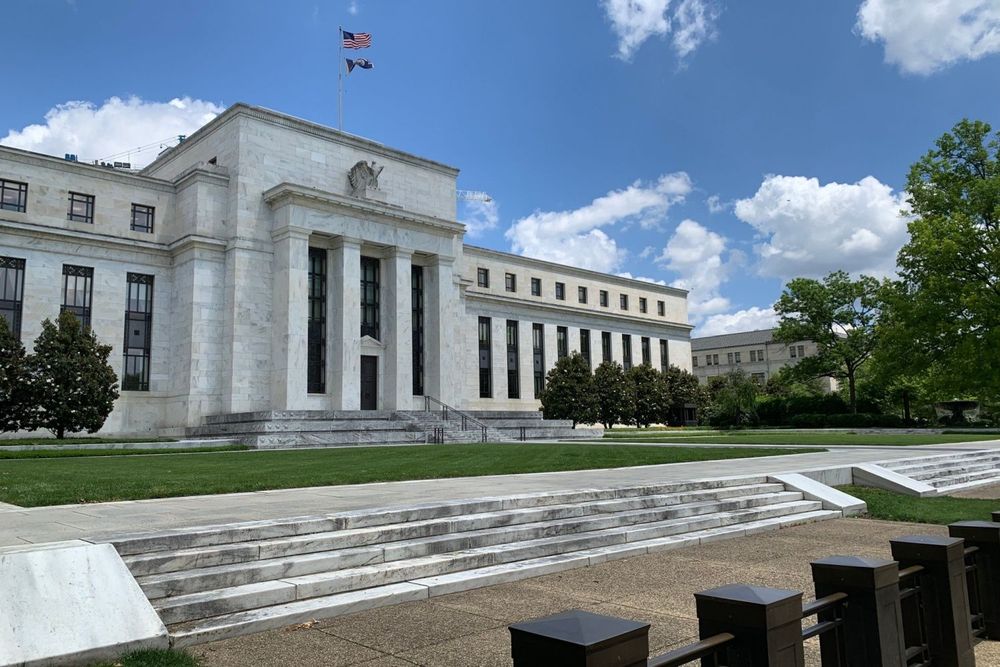
Late last month, the US Federal Reserve released an updated “Statement of Supervisory Operating Principles,” superseding the October 2025 version and reflecting priorities set forth by Vice Chair for Supervision Michelle Bowman.
The updated Statement opens by explicitly defining two primary objectives of supervision: to identify, as early as possible, significant threats to the safety and soundness of supervised institutions, and to direct firms to take “appropriate, proportionate action” to address those threats promptly. The revision comes after Randall Guynn assumed the role of Director of Supervision and Regulation in March.
Several changes tighten the standards governing MRAs, MRIAs, and enforcement actions. Supervisory staff may now issue an MRA or MRIA only if they determine in good faith that a deficiency, if not remediated swiftly, would create a “significant probability of significant harm” to a firm’s financial condition. For enforcement actions, the bar is even higher, requiring supervisors to determine that there is an “abnormal probability of abnormal harm,” with “abnormal” defined as “substantially higher than normal or significant.”
Notably, the revised Statement introduces a new presumption in favor of firms that self-identify deficiencies and promptly begin remediation: such deficiencies will be treated as supervisory observations rather than formal MRAs or MRIAs. The Statement also expands the Fed’s examination authority where a primary supervisor withholds supervisory information, removing the previous “impossibility” standard that had set a high bar for independent Federal Reserve examination.
Four further changes round out the revised Statement:
Join The Discussion
Sign in and be the first to comment.