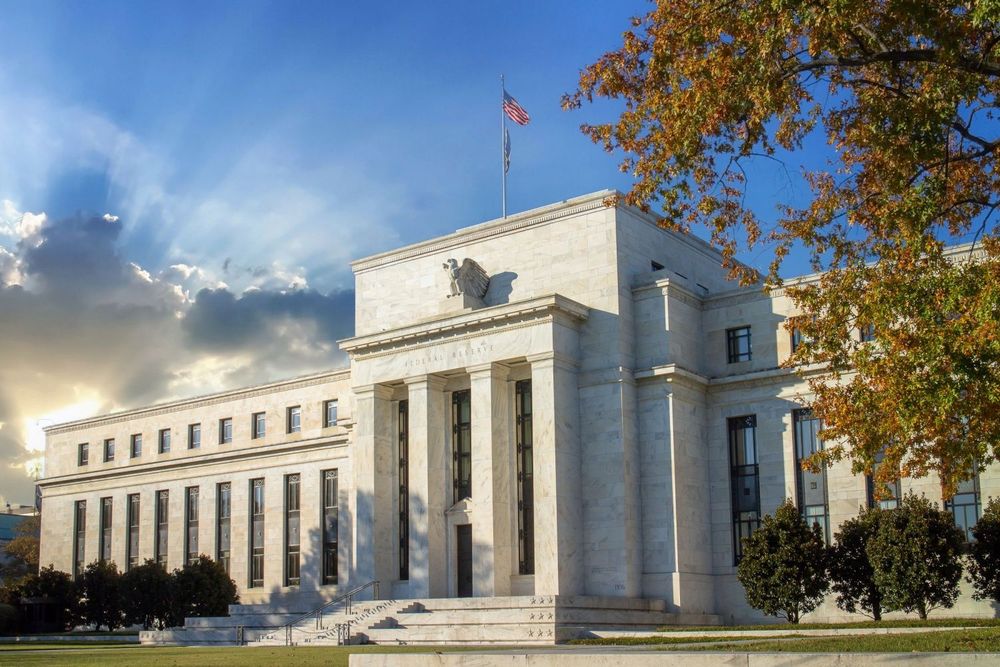
In a speech delivered last week, Michelle W. Bowman, Vice Chair for Supervision at the US Federal Reserve Board, emphasized the need to modernize bank supervision and focus on “core and material financial risks.”
Drawing on her experience as a community banker and Kansas State Bank Commissioner, Bowman stressed the importance of tailoring supervision to each bank’s profile, with early detection and remediation of material risks while enhancing transparency. Bowman cited lessons from the Silicon Valley Bank collapse, arguing that Fed’s prior supervisory approach led both examiners and the bank to “overlook or downplay severe interest-rate and liquidity risks that triggered the bank’s collapse.” In response, the Fed introduced supervisory operating principles in October 2025 designed to “enhance supervisory transparency and accountability” and guide early remediation of critical risks.
Bowman also argued that supervision must be more transparent. “Transparency in supervisory expectations is just as important as transparency in regulatory requirements, and yet it often receives the least scrutiny and attention,” she said. In this direction, the Fed has begun publishing key supervisory manuals that have traditionally been confidential. In addition, the Fed is reviewing the definition of confidential supervisory information (CSI), including the circumstances in which it can be shared by both banks and regulators.
“Banking inherently involves risk,” Bowman said. “The regulatory framework aims not to eliminate risk, but to ensure the safe and sound management of risk. With proper prioritization, regulators and examiners can foster robust risk management while enabling banks to innovate, grow, and serve their customers, communities, and the broader U.S. economy.”
In an article for our 2024 Compendium, Bowman argued that banking sector overseers should hold themselves to the same high standards of conduct they encourage in the industry — and that they must do so in a manner independent of political pressure and mindful of public accountability.
"Accountability is no less important for bank regulators than it is for banks," Bowman wrote. "Bank regulators serve an important public function, and as we have seen in the past year, the stakes are high. Bank failures and stress in the banking system pose significant risks, not only to the bank customers, depositors, and creditors of a failed bank, but also to the broader financial system, the US economy, and US taxpayers." ▸ Read More
Join The Discussion
Sign in and be the first to comment.