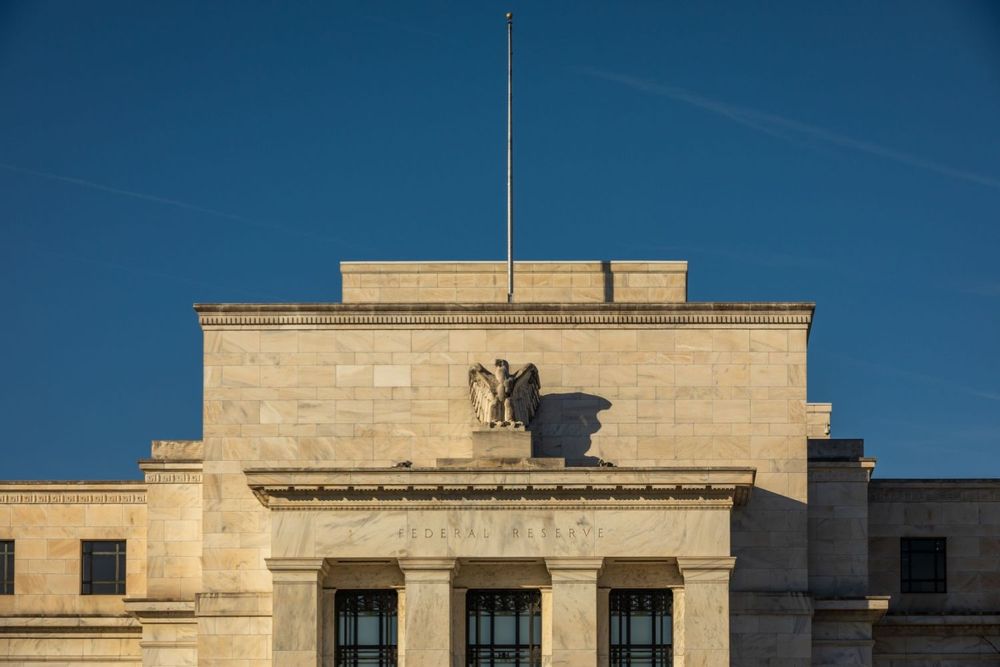
In a recent Wall Street Journal opinion article, Kathryn Judge, a professor at Columbia Law School, and Mickey D. Levy, a fellow at Stanford’s Hoover Institution, argue that the US Federal Reserve should strengthen, not constrain, the autonomy of its 12 regional Reserve Banks to protect the central bank’s independence and enhance accountability.
When Congress created the Federal Reserve System in 1913, it deliberately distributed authority across 12 district banks, designing them as public-private hybrids with local boards drawn from banking, business, and the broader community, the authors explain. That structure was intended to diffuse power and address the public’s aversion to concentrated financial control, they note.
President Roosevelt’s push to consolidate power in the Board of Governors in Washington prompted a confrontation with Congress that culminated in the Banking Act of 1935. The act strengthened the Board’s oversight authority over the Reserve Banks and gave it sole responsibility for regulation. Meanwhile, the newly created Federal Open Market Committee (FOMC), comprising all seven Fed governors and five of the 12 Reserve Bank presidents, preserved the regional banks’ formal voice in monetary policy decisions.
Judge and Levy argue that this federalist structure remains vital today. Regional presidents bring perspectives informed by local businesses and households, dissent more frequently from FOMC decisions than governors, and have a history of challenging prevailing wisdom promoted by Board staff, they explain. These qualities, they argue, are a structural safeguard against groupthink.
The authors express concern that the Board has, in recent years, tightened its control over Reserve Banks' choices of new presidents, narrowing the diversity of views within the system. The regional banks are not perfect, they acknowledge, and the public-private nature of the institutions would create a “democracy deficit” if they held too much power. “The Fed’s distinct regional design that counterbalances the central bank’s inside-the-Beltway board,” they conclude, “is vital to the institution’s independence and accountability.”
For more from Kathryn Judge, read her contribution to the 2025 Compendium.
Join The Discussion
Sign in and be the first to comment.