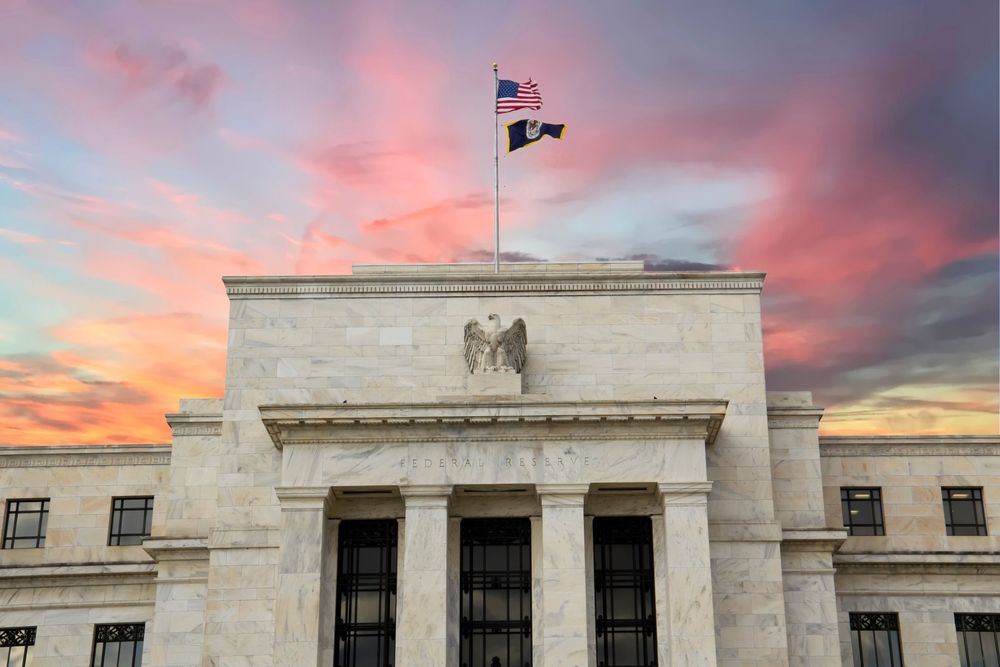
In a speech delivered this week, Michelle Bowman, Vice Chair for Supervision at the US Federal Reserve Board, outlined a broad effort to modernize US bank regulation and supervision, including a sharper focus on material financial risk, changes to supervisory culture and accountability, and a restructuring of the Fed’s supervisory function.
Bowman said the Federal Reserve’s Statement of Supervisory Operating Principles, introduced last year, was intended to move examinations away from “process over substance” and back toward identifying material vulnerabilities early. The framework directs supervisors to use judgment and expertise, escalate concerns where necessary, and take prompt and proportionate action where risks threaten a bank’s financial condition. She said the Fed has since reinforced that approach through examiner training, greater transparency around supervisory expectations, and proposed changes to the CAMELS rating framework to make ratings more reflective of financial condition and financial risk.
Bowman also argued that improving supervisory effectiveness requires changes to the Fed’s own organization and culture. She said a “complex web of committees” had contributed to delays, inconsistent communication, and blurred accountability for supervisory decisions. Bowman also pointed to a long-standing mismatch between responsibility for Federal Reserve supervision and accountability for its execution.
The Fed will now begin reorganizing supervision into five regions, each led by an official accountable for supervisory activity across that region. The regions will follow state boundaries rather than Federal Reserve Bank district lines, while examiners will remain in their existing locations. Bowman said the structure should clarify decision-making, improve coordination with state and federal regulators, and promote more consistent supervision.
The speech also outlined further reforms aimed at making regulation more proportionate, particularly for community banks. These include updating and indexing outdated asset thresholds, revisiting how the Fed analyzes competition in bank mergers, supporting new bank formation, simplifying regulatory reporting, and reconsidering the asset thresholds used to determine supervisory categories.
“Our supervision prioritizes those matters that present or could lead to material financial impairment,” Bowman concluded. “These approaches allow us to empower examiner judgement and expertise, leading to more timely and effective supervisory outcomes. Our structure and organization will support our examination workforce by better aligning responsibility and accountability for decisionmaking.”
Join The Discussion
Sign in and be the first to comment.